
Creative Desert Landscaping vs Single-Trade Specialists: The Full Service Landscaping Company Advantage
One plan, one sequence and one team for patios, turf, walls, irrigation and outdoor living, compared honestly with hiring each trade on its own.
Is a full service landscaping company better than hiring separate specialists?
For a yard that combines several kinds of work, a full service landscaping company is usually the simpler and safer choice. One design sets the order of grading, drainage, sleeves, hardscape and planting, and one team answers for how the pieces fit. For a single small task, a dedicated specialist can be a perfectly good fit.
- One plan
- Design, hardscape, turf, walls, irrigation & outdoor living
- Licensed
- Bonded & insured · ROC 336502
- Estimates
- Free consultation, design first
- Based in
- Prescott Valley, AZ 86314
What does a full service landscaping company actually do?
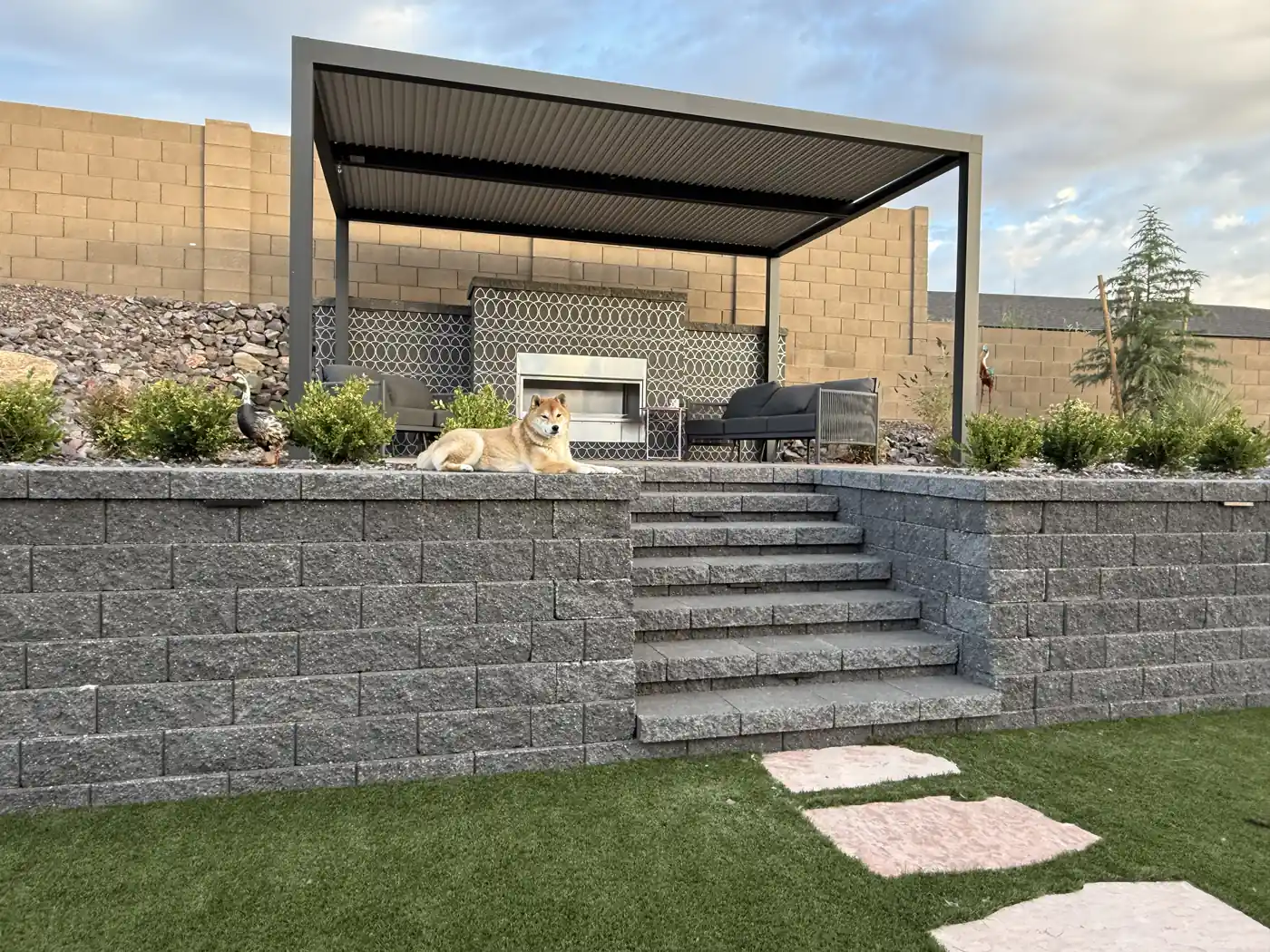
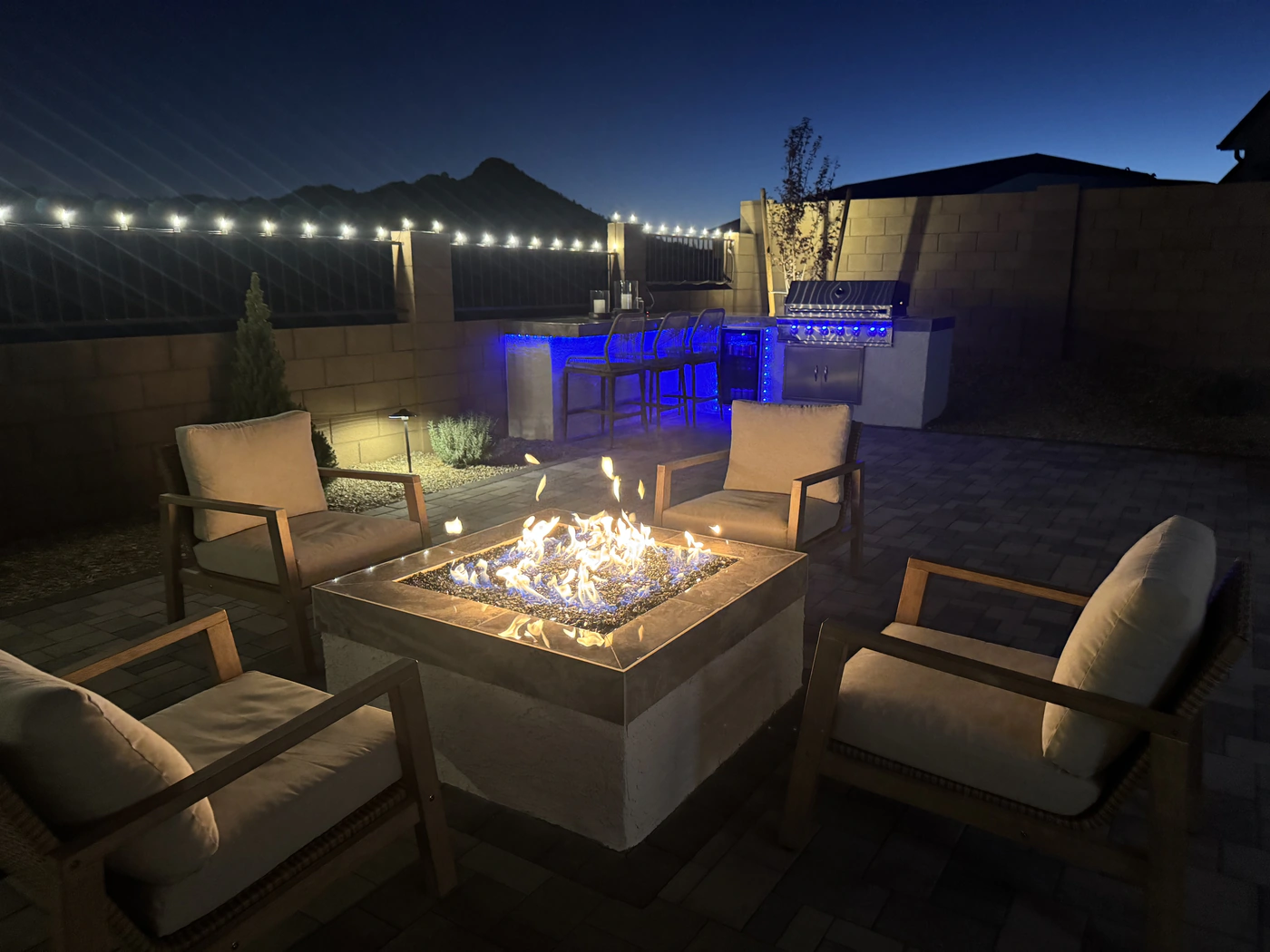
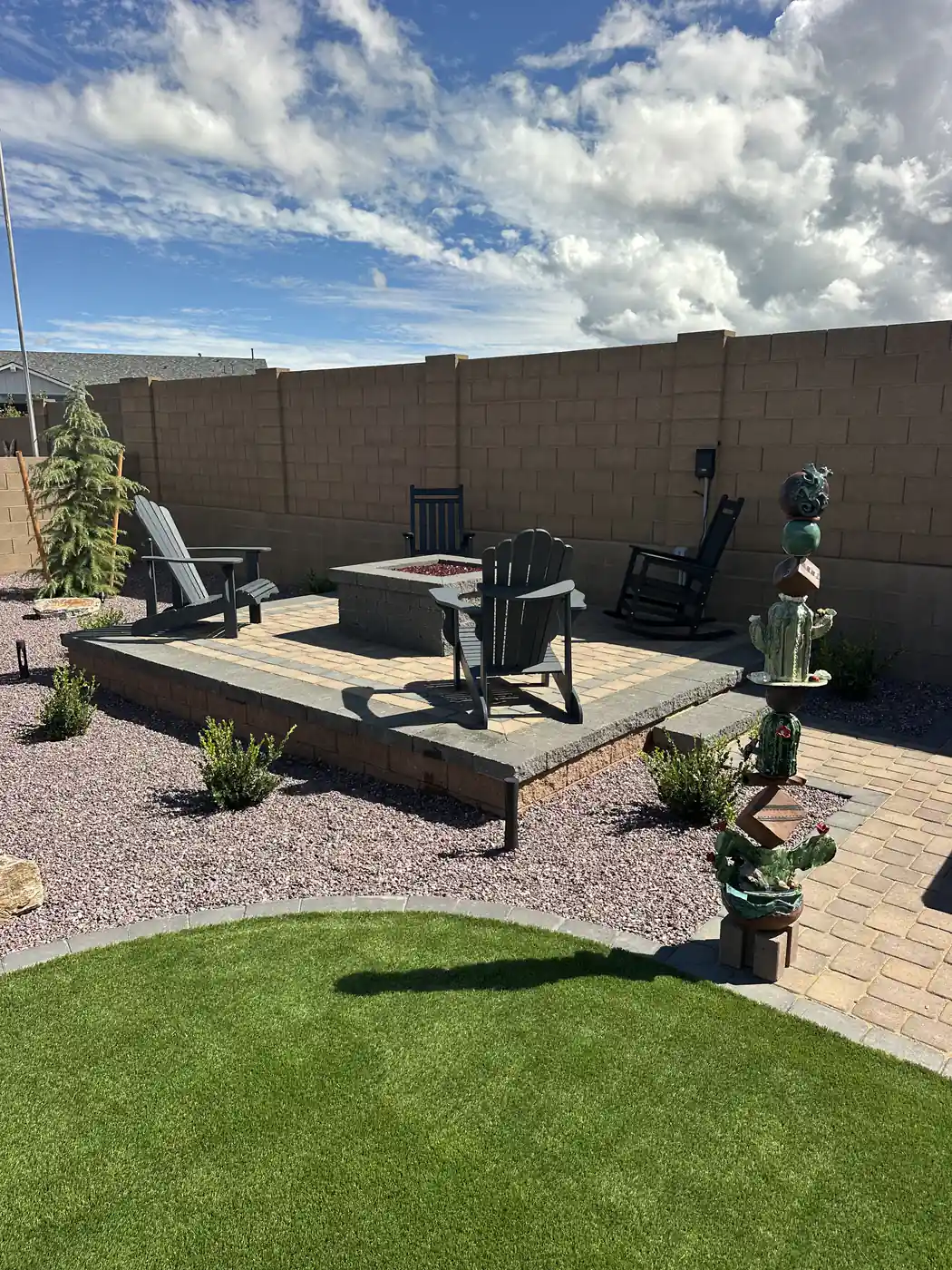
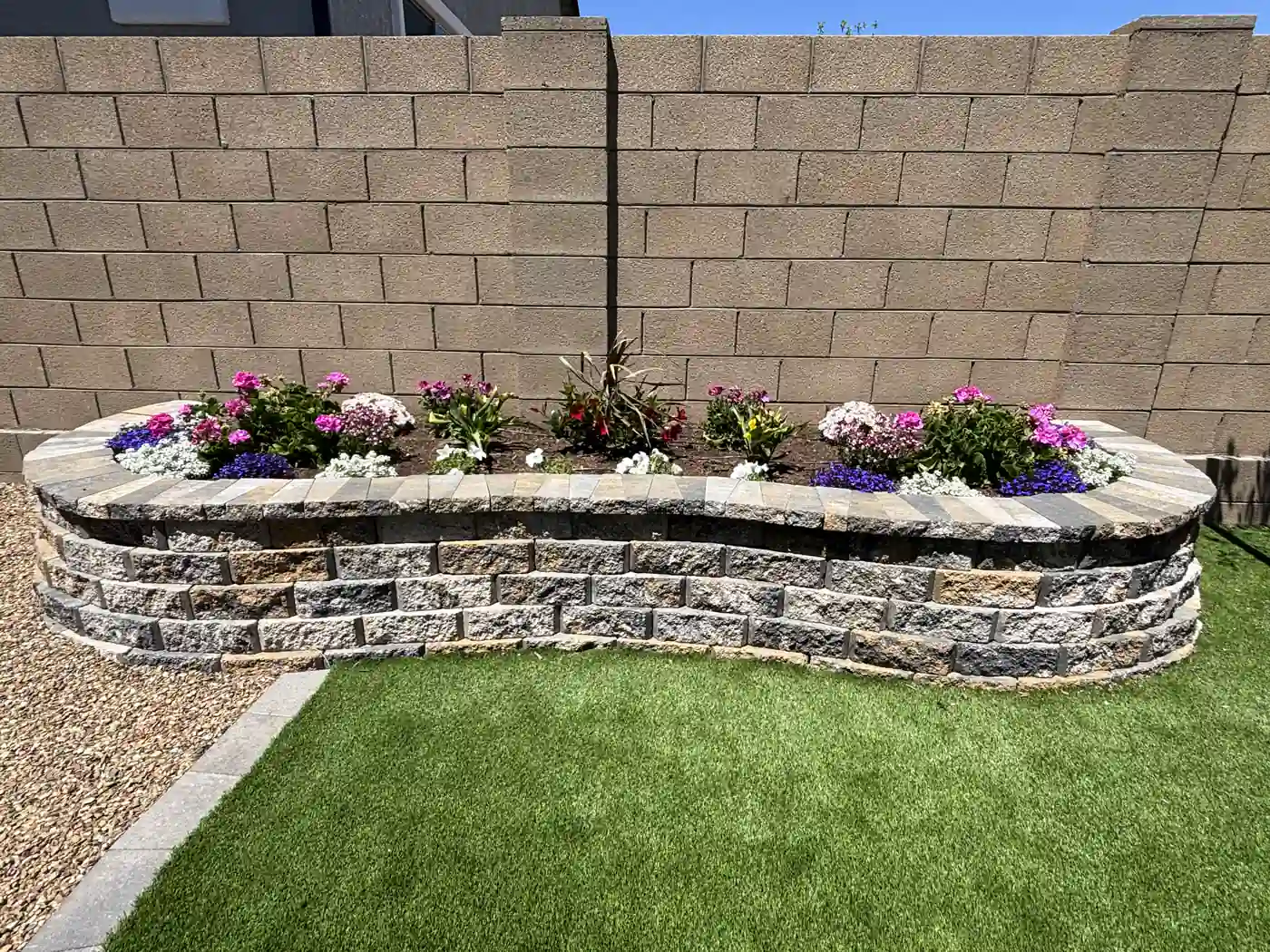
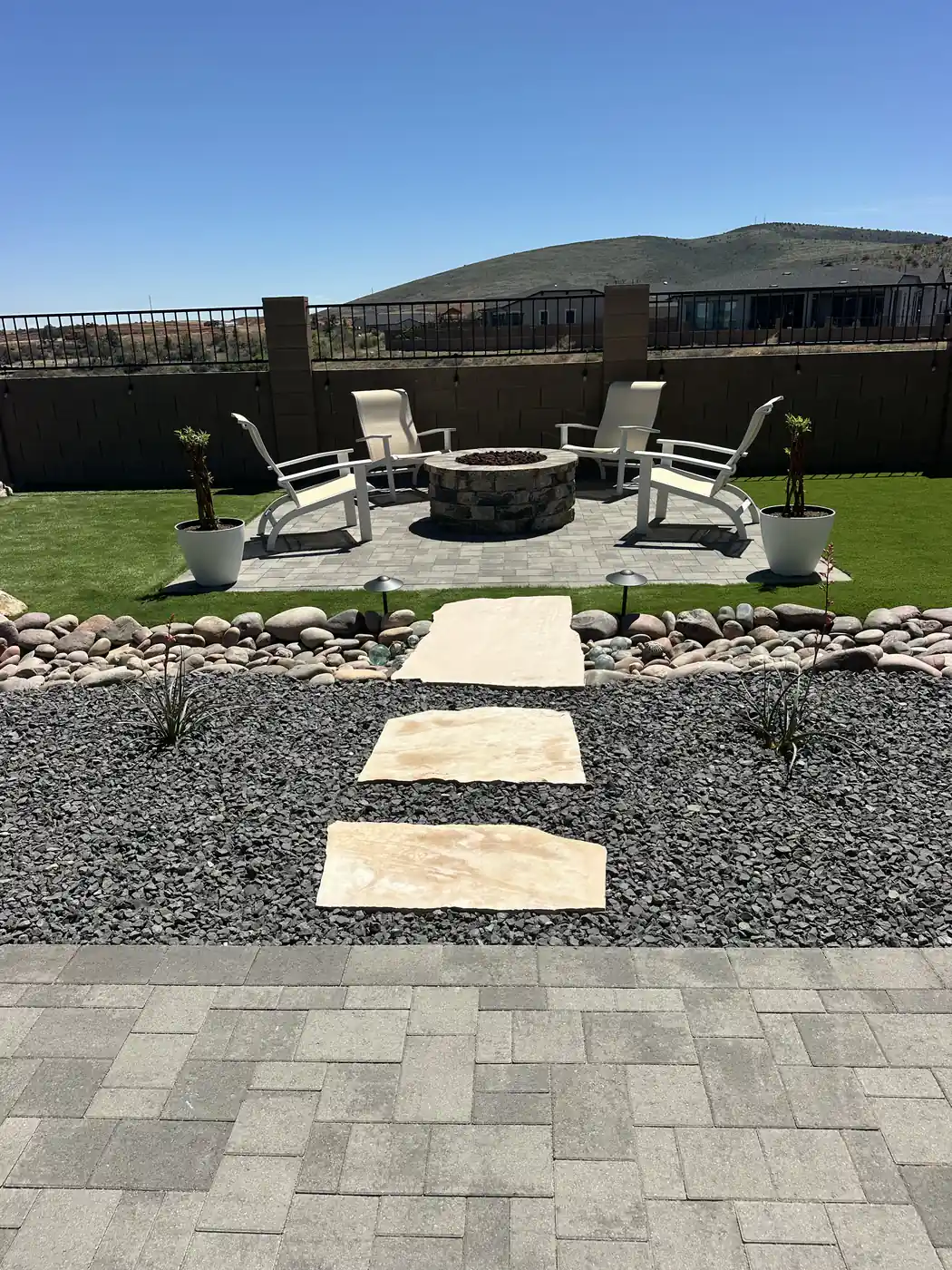
Most backyards in the Prescott area are not one project. A typical plan might pair a paver patio with a fire pit, a strip of artificial turf for the dog, a short retaining wall where the lot falls away, drip lines for new shrubs and a gravel border to tie it together. Each of those pieces is its own trade with its own tools, materials and know-how.
A full service company plans and builds all of those pieces as one job. At Creative Desert Landscaping that starts with landscape design and a consultation on your property, then moves on to the build itself: retaining walls where the ground needs holding back, pavers and hardscaping for patios and paths, irrigation and xeriscaping for water-wise planting, artificial turf for green without mowing, and fire pits and outdoor living for evenings outside, with yard maintenance available once the work is finished.
A single-trade specialist does one of those things, often very well. A turf installer installs turf; a paver company lays pavers; an irrigation tech builds and repairs watering systems. There is nothing wrong with that model. The question is who joins the pieces together when your yard needs more than one of them.
Full service landscaping company vs specialist: a side-by-side look
The table below compares the two approaches on the points that matter most once several trades share one yard. It is a general comparison of how the work is organised, not a judgement of any particular business; plenty of specialists are skilled, careful and fairly priced.
| Factor | Creative Desert Landscaping (full service) | Hiring separate single-trade specialists |
|---|---|---|
| Planning | One design covers grading, drainage, hardscape, turf, walls, irrigation and planting before anything is built. | Each trade may plan only its own piece, so the homeowner often ends up joining the plans together. |
| Order of work | We set the sequence: grade and drainage, sleeves and pipe, hardscape and walls, then soil, plants, turf and mulch. | Crews arrive when their calendars allow, which can mean digging up finished work to fix a missed step. |
| Point of contact | One team to call about schedule, changes and questions. | Several phone numbers, several schedules and several invoices to track. |
| Responsibility | If two parts of the yard do not fit together, it is our job to sort it out. | When a problem sits between two trades, it can be unclear whose job the fix is. |
| Licensing | Licensed with the Arizona ROC (license 336502), plus bond and insurance coverage. | Varies by company; check each one separately. |
| After the build | Yard maintenance is available from the same company that installed the work. | Ongoing care usually means finding another provider. |
| Best fit | Whole-yard makeovers and projects that combine two or more services. | A single, well-defined task, or work that needs a specialty license. |
Why the order of work matters so much in a high-desert yard
Landscapes are built from the ground up, and the order is not optional. Grading and drainage come first, because every surface after that depends on where water will go. Sleeves, which are short lengths of pipe laid under future patios, walks and walls, go in next so that irrigation lines and low-voltage lighting wires can pass beneath the hardscape later without anyone cutting through it. The Arizona Municipal Water Users Association advises installing most hardscape before the irrigation system and plants, and placing sleeves wherever irrigation lines will run under fences, walls and paved areas.
After the hardscape and walls are built, soil is prepared, plants go in, irrigation is finished and tested, turf is laid on its compacted base and mulch or decorative rock goes down last. When one company owns that sequence, each step is scheduled with the next one in mind. When separate crews each own a step, the sequence is only as good as the communication between them.
Our climate raises the stakes. Homes here sit high, about 5,400 feet in Prescott and roughly 5,060 in Prescott Valley, and overnight freezes are common from autumn through April. Repeated freezing and thawing will find any weak base or poorly drained joint. Then the July to September monsoon delivers most of the year's rain in short, heavy bursts. A patio, a turf panel and a wall that were planned separately can each be built correctly and still send water toward each other or toward the house. Planning them together is the simplest way to avoid that.
- Grade the yard and plan where storm water will go
- Lay drainage pipe, swales and sleeves before any paving
- Build hardscape, walls and outdoor living features
- Prepare soil, plant and finish the irrigation system
- Install turf and spread mulch or rock last
Where hand-offs between trades tend to go wrong
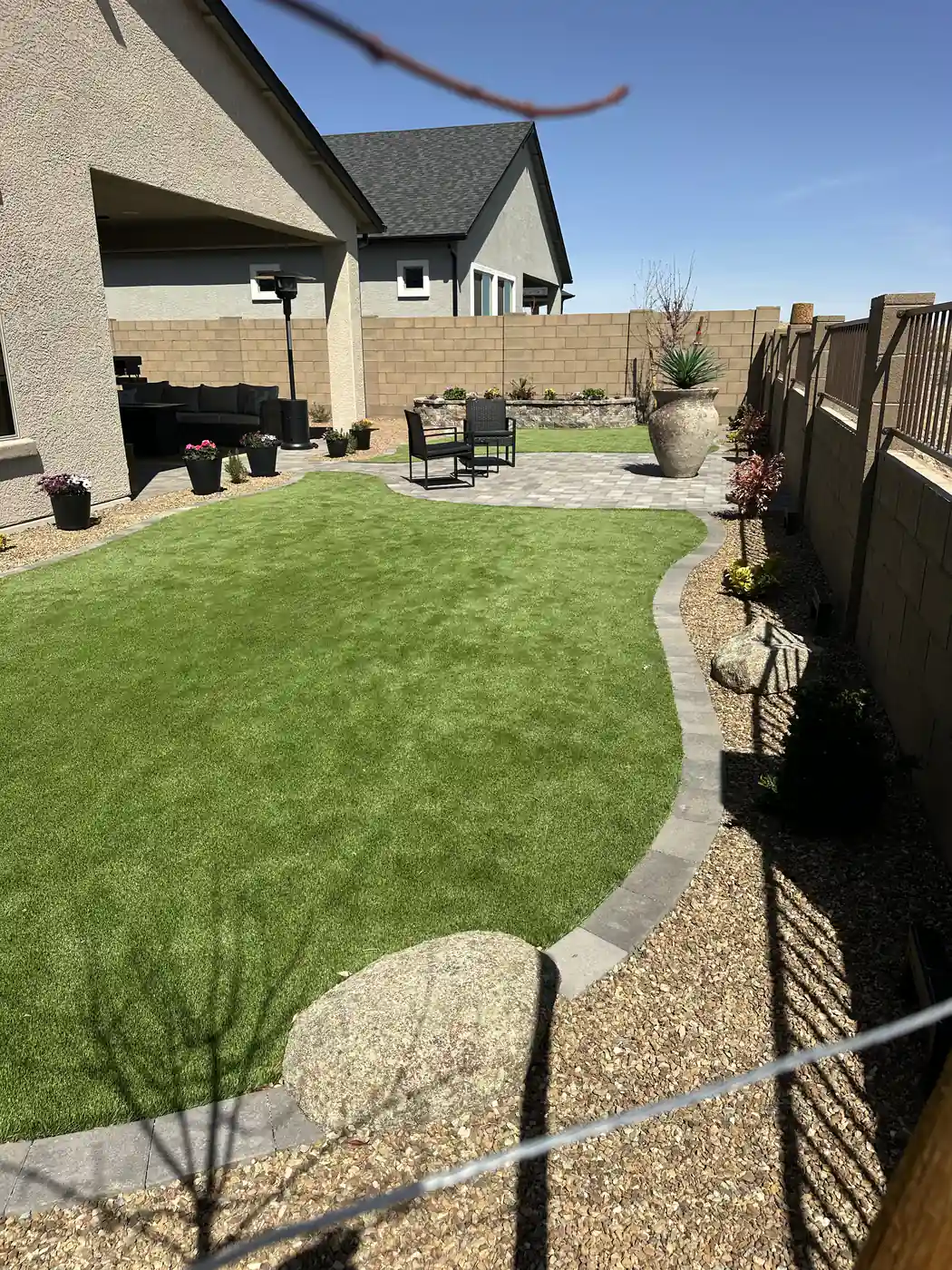
Most of the trouble in a multi-trade project happens at the edges, where one crew's work meets another's. A few patterns come up again and again.
The sleeve nobody laid. A paver crew finishes a beautiful patio, and a week later the irrigation installer discovers there is no way to reach the planter on the far side without cutting pavers or running pipe around the whole patio. A full plan would have placed that sleeve before the base went down.
The grade that changed. A wall builder adjusts finished grade by a few inches to suit the footing, and the turf panel next to it now sits in a low spot that collects water every time it rains. Each crew did its own part as specified; the specifications simply never met.
The schedule gap. Turf cannot go down until the irrigation and drainage beneath it are finished, and plants should not wait weeks in nursery pots. When three companies each book their own dates, a yard can sit half-finished, and open trenches during a monsoon storm can undo days of work.
None of these problems means a specialist did a poor job. They happen because nobody was assigned to see the whole yard. A full service landscaping company is, in practice, that assignment.
When hiring a specialist is the right call
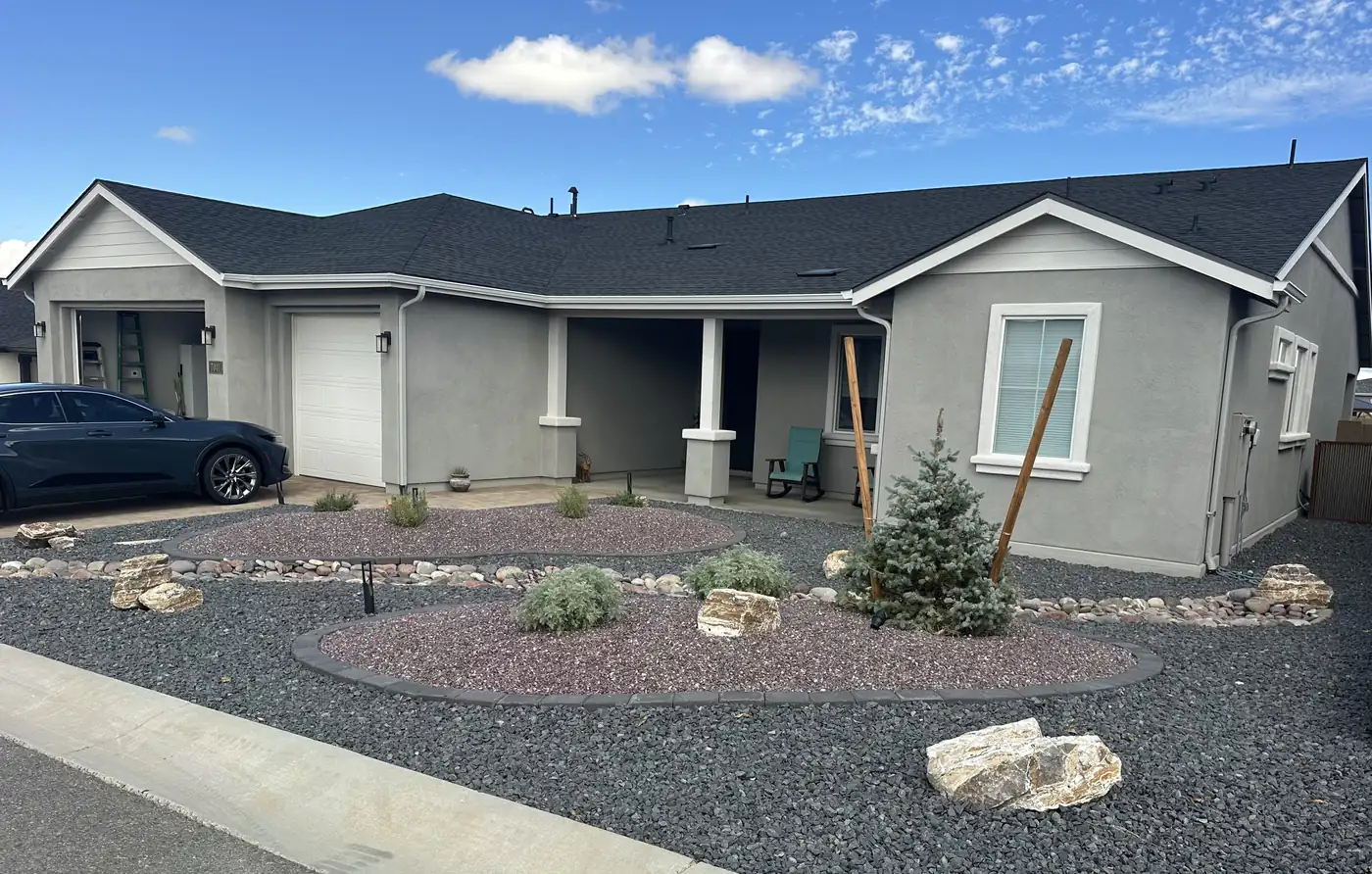
We would rather give you a fair answer than a sales pitch. If you only need one clearly defined task, such as replacing a few damaged pavers, repairing a single drip zone or replacing the plants in a single bed, a company that does only that work may be quick, convenient and good value. The same goes for work that needs a specialty license, such as a pool or major electrical service.
We also work this way ourselves when a job calls for it. Some bigger builds include work that needs a specialty license or certification a landscaping crew does not hold. When that happens, we partner with reliable local professionals we already know and tell you up front who will be doing what. The difference is that the coordination still sits with us rather than with you.
And the services on our own site can be booked one at a time. If you want a single retaining wall or a turf panel and nothing else, we are glad to quote just that part.
How we run a multi-part project from one plan
Every project, large or small, starts the same way: we visit your property for a free consultation, then prepare a design shaped by your lot's slope, its sun and shade, and the way your household actually uses the outdoors. From there the work follows a single plan that every crew on site works from.
- Consultation and site walk: slopes, soil, existing drainage, sun, views and HOA rules
- Design: layout, materials and the order in which each part will be built
- Utility locates through Arizona 811 before any digging
- Ground work first: grading, drainage, sleeves and irrigation main lines
- Hardscape, walls and outdoor living features
- Soil, plants, drip emitters, turf and finishing rock
- Final walkthrough, watering schedule and care guidance
- Optional ongoing yard maintenance by the same company
Questions to ask any landscaping company before you sign
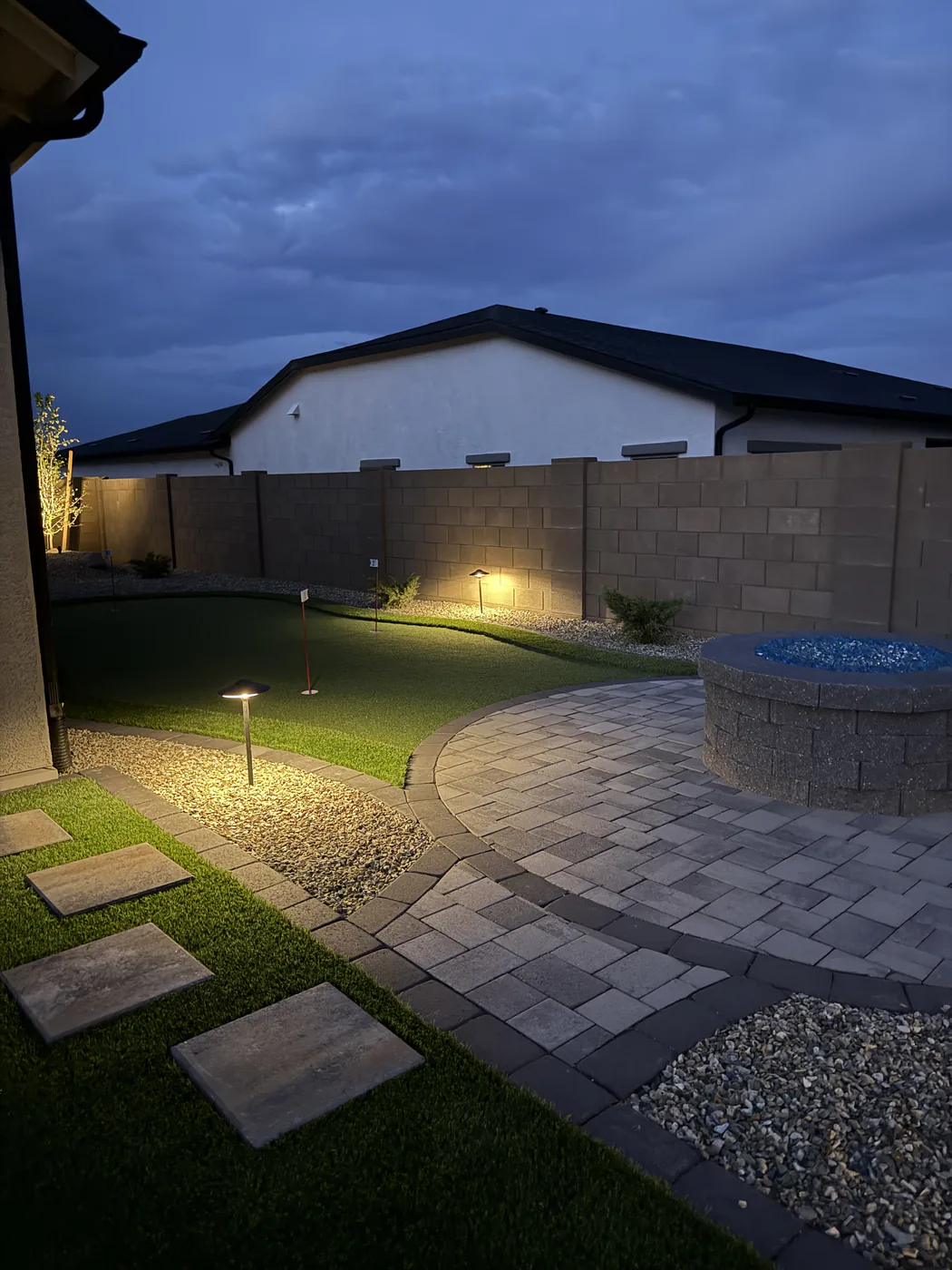
Whether you choose us, another full service firm or a group of specialists, these questions will tell you a lot about how the project will go. Licensing can be checked in a minute on the Arizona Registrar of Contractors website, and any digging should begin with a locate request through Arizona 811. For irrigation work, EPA WaterSense explains what certified irrigation professionals are trained to do.
- Is the company licensed with the Arizona ROC, bonded and insured, and does the license cover the work?
- Who decides the order of work, and who coordinates the crews?
- Where will sleeves for irrigation and lighting go, and are they on the plan?
- How will storm water be handled across the patio, turf, walls and beds together?
- Is there a written scope that lists every part of the job?
- Who should I call if two parts of the yard do not fit together?
- Is maintenance available after installation, and from whom?
Whole-yard planning across Prescott Valley, Prescott, Dewey-Humboldt and Chino Valley
Local conditions shape how a whole-yard plan comes together. Granite-based soils drain well in some spots and turn hard as concrete in others. Sloped lots common in Prescott often need walls and terracing before anything else is possible. Many neighbourhoods in Prescott Valley have HOAs that ask to see a plan before work begins, which is easier when one design already shows every element. Larger, more open parcels around Chino Valley and Dewey-Humboldt tend to bring long irrigation runs and broad drainage paths.
For plant choices and water needs on your particular site, the University of Arizona Cooperative Extension office for Yavapai County is a useful, research-based resource. When you are ready to see how a combined plan would look for your own yard, browse our project gallery or request a free estimate.
Services that work better together
Full service vs specialists: your questions answered
Does a full service landscaping company cost more than hiring each trade separately?
Not necessarily. Separate quotes can look lower one by one, but they may leave out items that sit between trades, such as sleeves, drainage under turf or regrading after a wall goes in. Compare complete scopes rather than single line items, and ask each company exactly what is and is not included before you decide.
Will you take on a single-service job, like one wall or a turf panel?
Yes. Each of our services can be booked on its own, whether that is one retaining wall, a turf panel or a new drip system. We will still look at how that piece fits the rest of the yard, so a later project does not mean tearing out work we just finished.
Who is responsible if a sleeve or drain line was missed under a new patio?
On a project we plan and build, that is our responsibility, because the sequence and the layout come from one design. When separate companies each handle part of the job, responsibility for the gap between their work can be less clear, so agree in writing who owns sleeves and drainage before paving starts.
Do you subcontract any of the work?
Occasionally. When a large project includes work that requires a specialty license or certification, we partner with established local professionals. You will know before work begins who handles that portion, and we keep the schedule and the coordination, so you still deal with a single point of contact.
What needs to be in the ground before pavers are laid?
Drainage pipes, sleeves for irrigation and future lighting wire, and any electrical conduit should be placed before the compacted base goes down. Adding them afterward usually means lifting finished pavers or boring underneath. That is why we plan the ground work for the whole yard before the first paver arrives on site.
How do you keep a multi-part project on schedule?
We book the work in the order the yard needs it and keep one calendar for every crew on the job. Weather can still move dates, especially during monsoon storms or a hard freeze, but when one team controls the sequence, a delay in one step does not leave the rest of the project waiting on another company's calendar.
Can a full-yard plan be built in phases over a year or two?
Yes. Many homeowners start with a complete design and build it in stages. The key is to put the hidden work in first, such as grading, drainage and sleeves, so each later phase connects to what is already there. Having one design from the start keeps every phase working toward the same finished yard.
How can I check whether a landscaping company is licensed in Arizona?
Search the company name or license number in the Arizona Registrar of Contractors online lookup. It shows whether the license is active and what type of work it covers. Creative Desert Landscaping holds license ROC 336502 and carries bonding and insurance, so feel free to look us up the same way you would check anyone else.
Is yard maintenance available after the installation?
Yes. Our yard maintenance service keeps new plantings, irrigation and hardscape in good shape after the build. Because we installed the work, we already know where the valves, sleeves and drain lines are, which makes seasonal checks and small repairs quicker for everyone.
My HOA wants to see plans first. Does a full service company make that easier?
Usually, yes. Since every project we do starts with a design, you already have a drawing that shows the patio, turf, walls, planting and other elements together. Check your HOA's guidelines for what they need with the application, and hold off on any work until the association approves the plan in writing.
Creative Desert Landscaping LLC
4888 N Norman Rd, Prescott Valley, AZ 86314
(928) 848-0706
creativedesertlandscaping@gmail.com
Bonded & insured · ROC 336502
Hours
- Monday – Friday: 7am – 5pm
- Saturday: By appointment
- Sunday: Closed

One plan. One team. One finished yard.
Tell us what you want your yard to do and we will show you how every piece fits. Free estimates across Dewey-Humboldt, Chino Valley, Prescott Valley, Prescott and the rest of Yavapai County.